HPMC
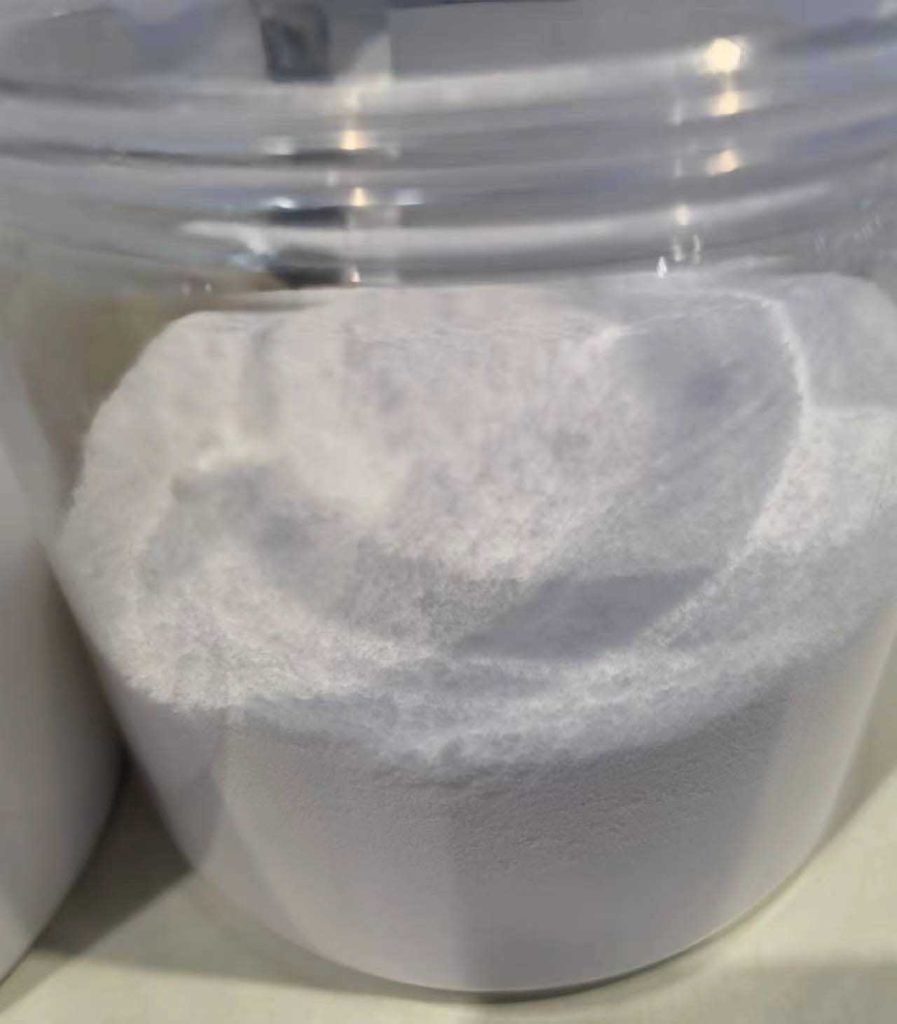
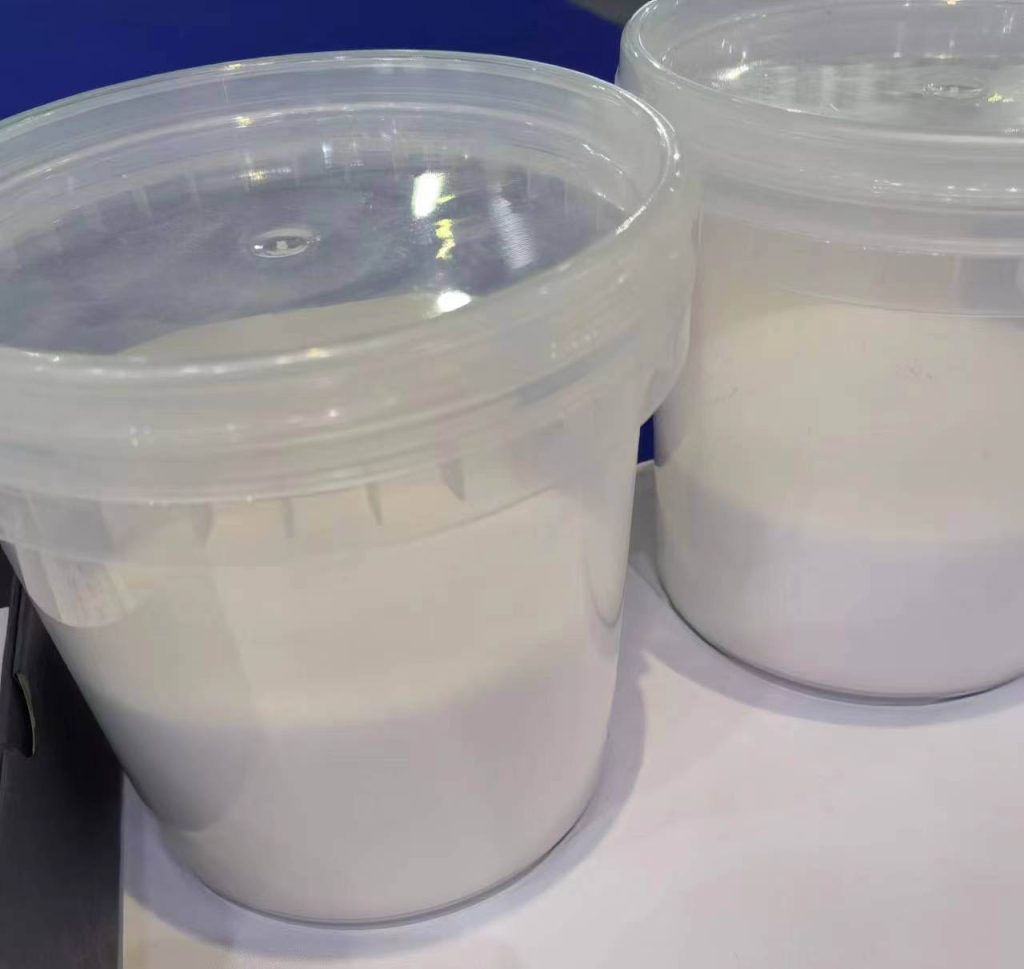
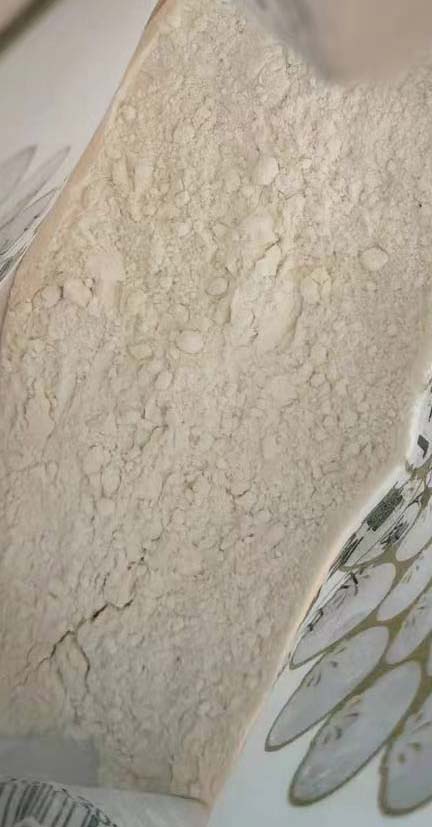
HPMC Hydroxypropyl methylcellulose or hypromellose is a type of soluble methylcellulose ether with various applications. It serves as a versatile substance employed as a thickening agent, binder, film former, and hydrophilic matrix material.
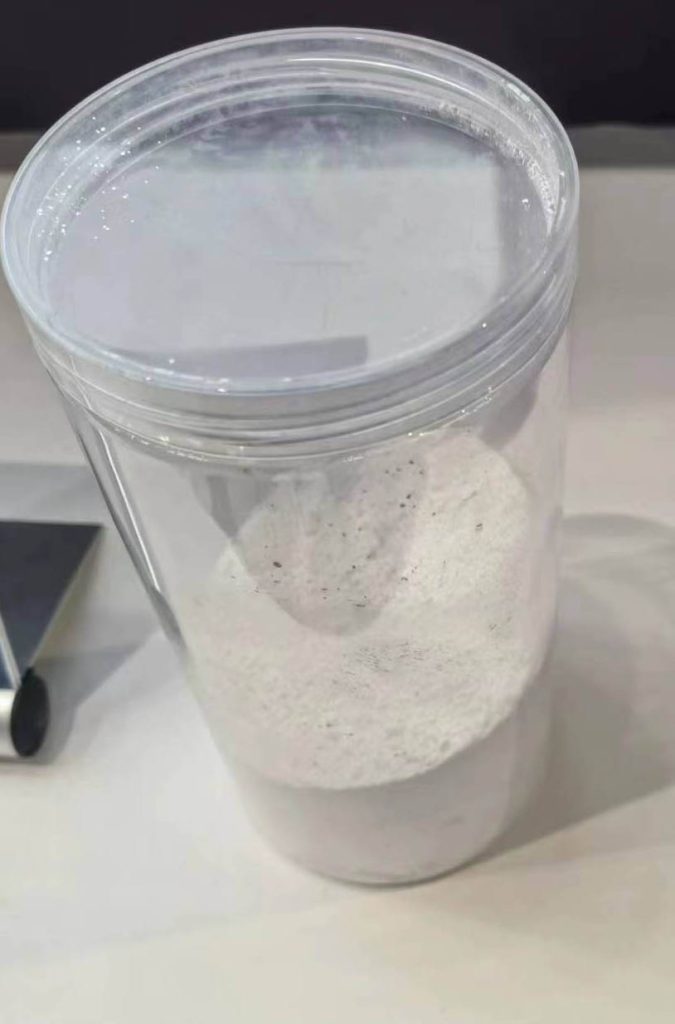
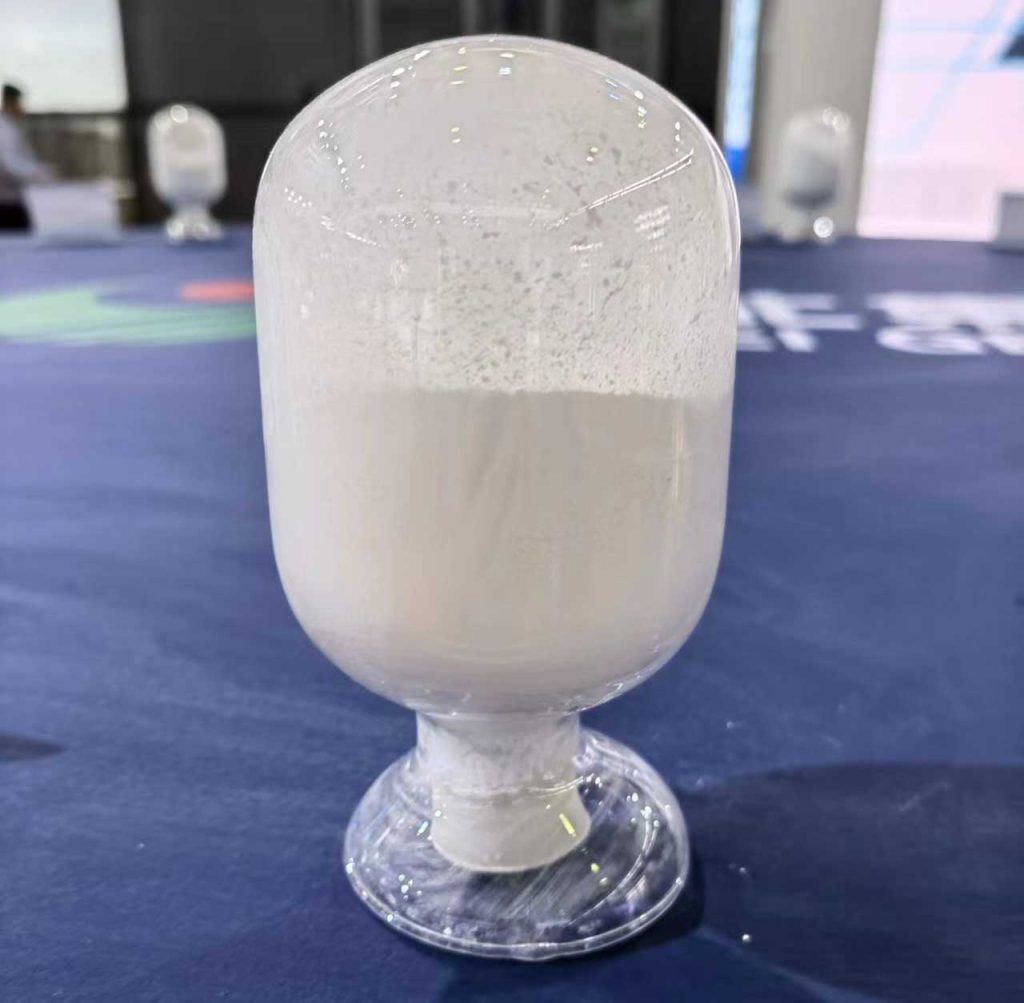
Glass Bubbles are incredibly small spheres made from hollow glass. They look like white powder that flows easily. They’re created using a type of glass that’s resistant to water and chemicals, called soda-lime-borosilicate glass.
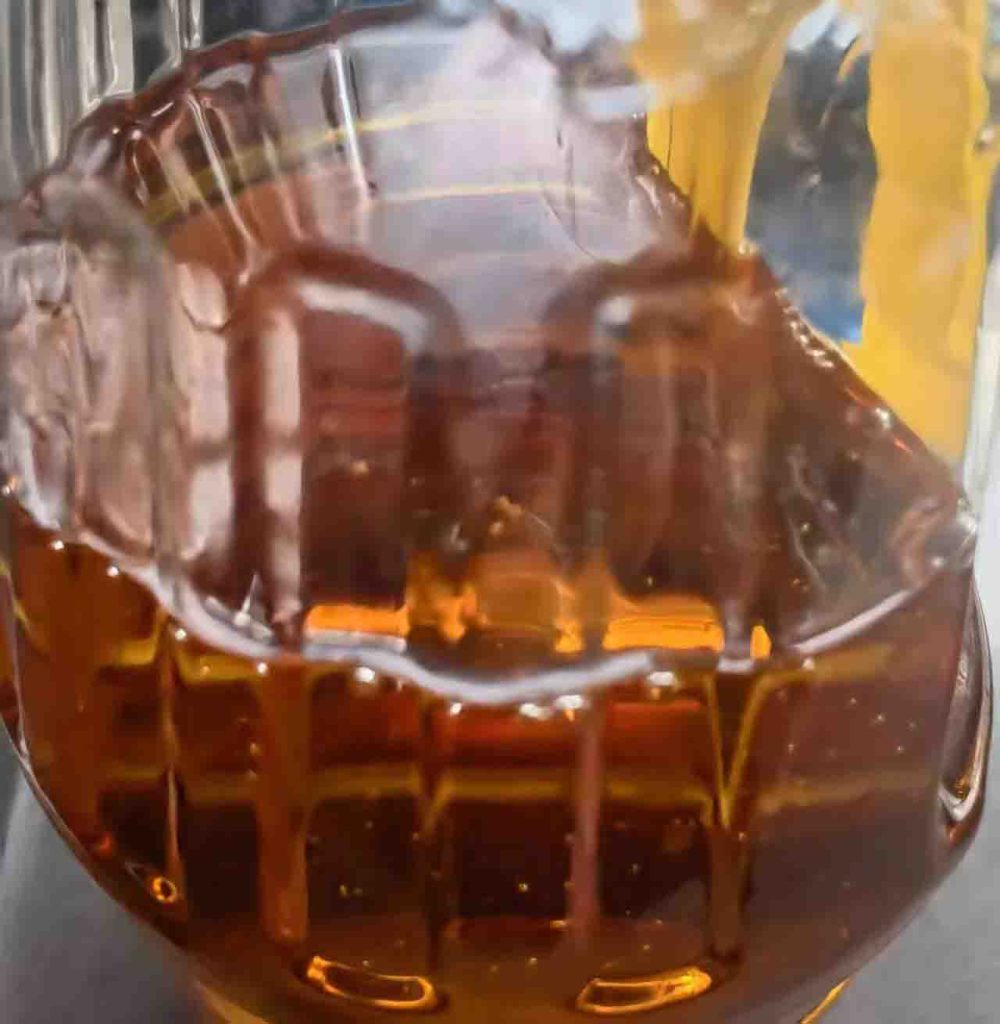
Zinc alkyl dithiophosphate is often known as ZDDP Additive, is an essential component that is used in lubricants, particularly in situations of mixed lubrication when there is occasional contact with surface asperities. This one-of-a-kind chemical contributes in numerous important ways to the improvement of engine performance and the safeguarding of machinery and equipment.
Hollow glass microspheres serve as lightweight and chemically stable materials, commonly added to products to decrease their weight or density and enhance buoyancy. These microspheres, often referred to as microbeads or microballoons, are crafted from a combination of sodalime and borosilicate glass. These Hollow Glass Microspheres are meticulously engineered, nearly flawless, thin-walled glass bubbles with an approximate size of 50 microns.
Hollow glass microspheres Read More »
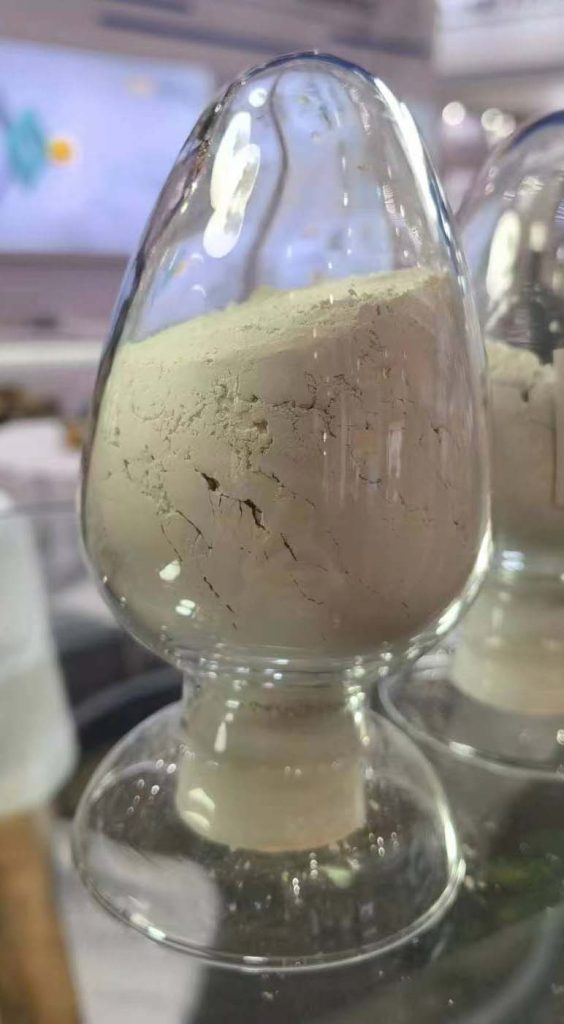
Hydroxyethylcellulose is a kind of cellulose polymer of water-based system. It can be used as a thickening agent in cosmetics | Hydroxyethylcellulose in cosmetics, and also as a gel agent. It can be widely used in paint coatings and some skin care products. Of course, it is used in shampoo and shower gel. Some lotion products are the most widely used, because it has a good crystal clear gel.
Hydroxyethylcellulose Read More »
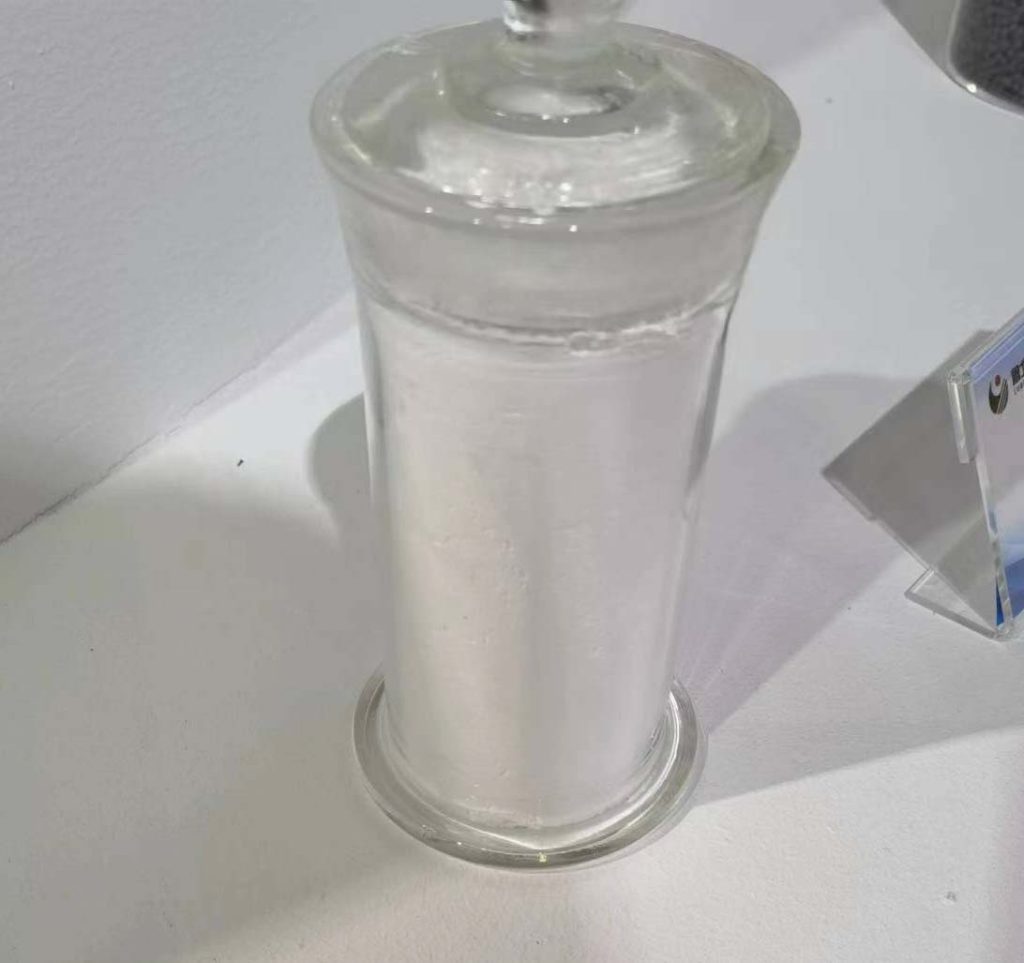
Hydroxypropyl Methylcellulose HPMC is derived from natural polymer materials, undergoes a sequence of chemical processes to yield a non-ionic cellulose compound. This odorless and non-toxic white powder readily dissolves in cold water, forming a transparent and thick solution. It demonstrates commendable attributes including effective water retention, thickening capabilities, emulsification, film formation, suspension, adsorption, gelation, surface activity, and functioning as protective colloids.
Hydroxypropyl Methylcellulose HPMC Read More »
SHPM | Sodium Hexametaphosphate encompasses a spectrum of alternative names. It can be called as Calgon, polyvinylidene sodium, sodium metaphosphate vitreous body, sodium multiple metaphosphates, Graham salt, or most commonly referred to as SHMP.
SHMP | Sodium Hexametaphosphate Read More »
Polyethylene wax have the characteristics of heat stability, chemical resistance, and hardness. Additionally, polyethylene wax boasts attributes such as abrasion resistance and a broad melting point range. This combination of features, coupled with its capacity for reducing cohesion between polymer molecules, positions PE wax as an effective internal lubricant that promotes compatibility with various polymers.