Organoclay for Pesticide Oil Dispersion (OD) Formulations
Learn how organoclay for pesticide OD supports suspension stability, grade selection, dispersion, dosage trials and formulation testing.

Learn how organoclay for pesticide OD supports suspension stability, grade selection, dispersion, dosage trials and formulation testing.
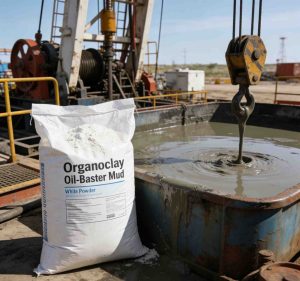
Chlorine-Free Organophilic Bentonite:Get factory-direct price per ton for chlorine-free organophilic bentonite. Stable QC for grease, oil-based drilling fluids, and solvent-based adhesives. Request quote & sample.
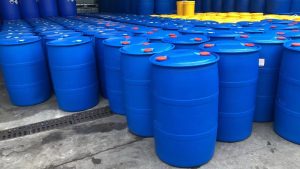
Didecyl dimethyl ammonium chloride
Chemical name : Didecyl dimethylammonium chloride
Didecyldimonium Chloride
Abbreviation: DDAC
Molecular Formula: C22H48ClN
CAS No.: 7173-51-5
NW: 362
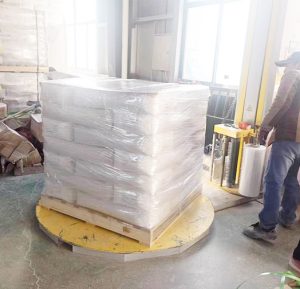
Specialty organophilic clay product
Our organophilic clay bentonite can be used in oilfield drilling fluids as a tackifier, respectively, as a tackifier for low- to medium-polarity mineral oils, and as a gelling agent for medium- to high-polarity.
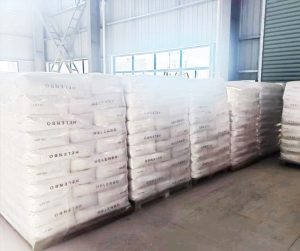
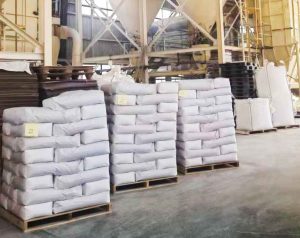
When used in oilfield drilling, organoclay bentonite can provide better sag resistance and suspension properties, while enhancing the balance of rheology. This excellent thickening property also promotes its suspension ability. Our organo clay bentonite is priced above Particularly cost-effective and a very practical oilfield chemical additive, organobentonite also provides high-quality thixotropy.
The Bentonite Powder ,we are talking about today is mainly improved organic bentonite, which is the main raw material used in oilfield drilling fluids. Because during the drilling process in oil fields, cuttings are easily produced. In other words, a large amount of drill cuttings will appear during the drilling process.
Organobentonite is widely used in industry, including paints, greases, cosmetics, oil field drilling, inks, and adhesives.Organophilic clay is a high quality rheology control agent.
Ketonic resin, also known as ketone resin, ketone aldehyde resin and aldehyde resin. As an additive, its adhesion, gloss, moisturizing and leveling properties are particularly outstanding. It is widely used in paints, coatings, greases, inks and cosmetics. It is compatible with most solvents but is insoluble in water.
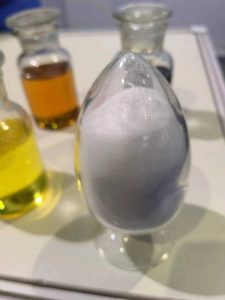
Rheological additive is an organo clay (modified benonite), designed for use in solvent based system including intermediate and low polarity polarity range organic liquild.
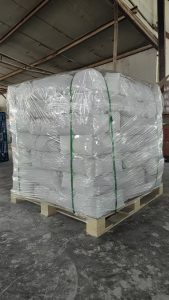
Organo Modified Bentonite CP-34 | Organoclay | Camp-Shinning
Organoclay Bentonite CP-34 is a high-performance Organo Modified Bentonite (Organoclay) rheological additive exclusively formulated for solvent-based systems. Adopting a proprietary modification process, it outperforms general-grade Organoclay with higher gelling efficiency, superior thixotropic stability, wider solvent compatibility and consistent batch quality, serving as an ideal thickener, suspending agent and anti-sag modifier for coatings, inks and various industrial formulations.
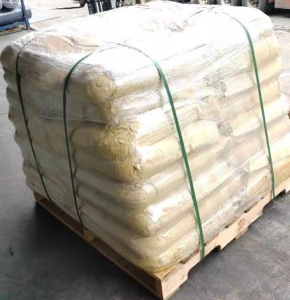
HPHT Resistant Organoclay Viscosifier for Oilfield Mud: Optimize Drilling Fluids Under Extreme Conditions
For high pressure high temperature drilling fluid applications, our top-recommended HTHP Organophilic Clay products are CP-31, CP-EZ and CP-250A. These grades are designed to perform reliably in operating environments ranging from 180℃ to 230℃, making them ideal high temperature high pressure bentonite organoclay additive solutions for demanding downhole scenarios.
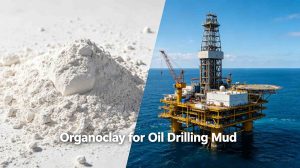
Organoclay: Key Solution
Oil based mud suspension
How to Choose the Right Water-Based Bentonite for Your Coating Production
In today’s competitive coating market, every formulation decision impacts your bottom line. Water-based bentonite is an essential rheology modifier for many water-based coating systems, but choosing the right grade and application method can significantly affect your production efficiency and final product cost.