Polysorbate-80
Polysorbate-80 What Is It? Polysorbate-80 stands out as […]


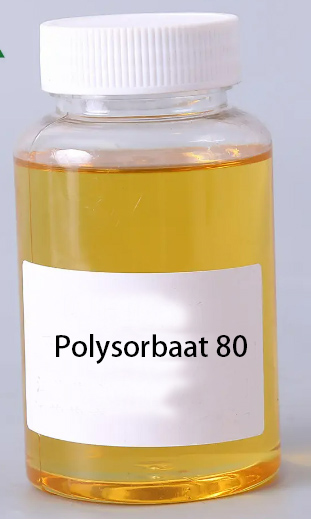
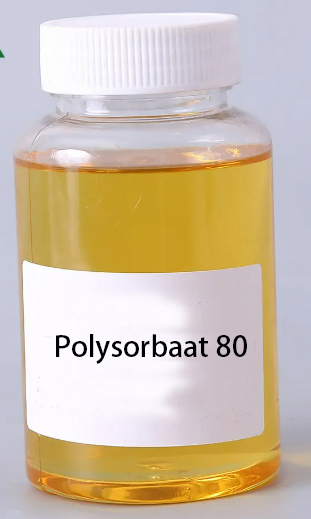
Polysorbaat 80 is the Dutch name equivalent of Polysorbate 80. It is also widely known as Tween 80. It is an emulsifier that is made by combining sorbitol, oleic acid, and ethylene oxide. It is a yellowish viscous liquid and is soluble in water and alcohol. Polysorbate 80 is widely utilized in the food industry to stabilize and emulsify processed foods, beverages, and ice creams. It is also commonly used in cosmetics, particularly in lotions, creams, ointments and it also has a useful application in production of oil field drilling mud.
Zinc Dialkyldithiophosphate Analysis of ZDDPs Zinc dial
Zinc Dialkyldithiophosphate Read More »
zinc additive for oil Zinc Additive in Oil and How It H
zinc additive for oil Read More »
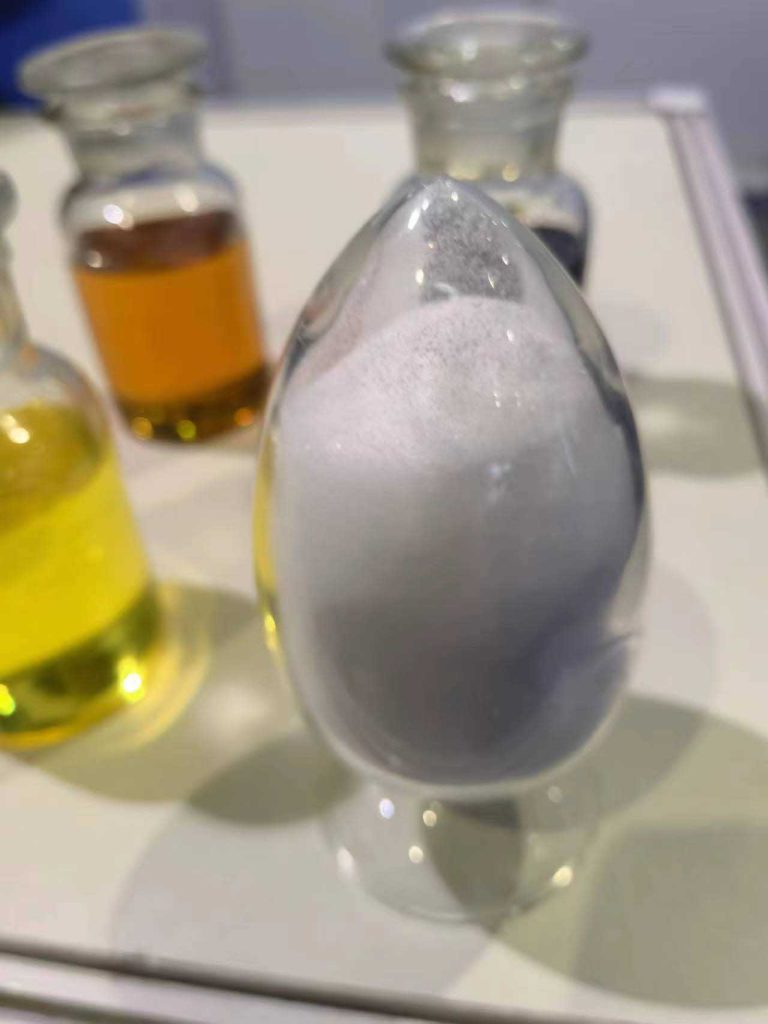
ZDDP : Zinc dialkyldithiophosphate ZDDP : In the world
ZDDP : Zinc dialkyldithiophosphate Read More »
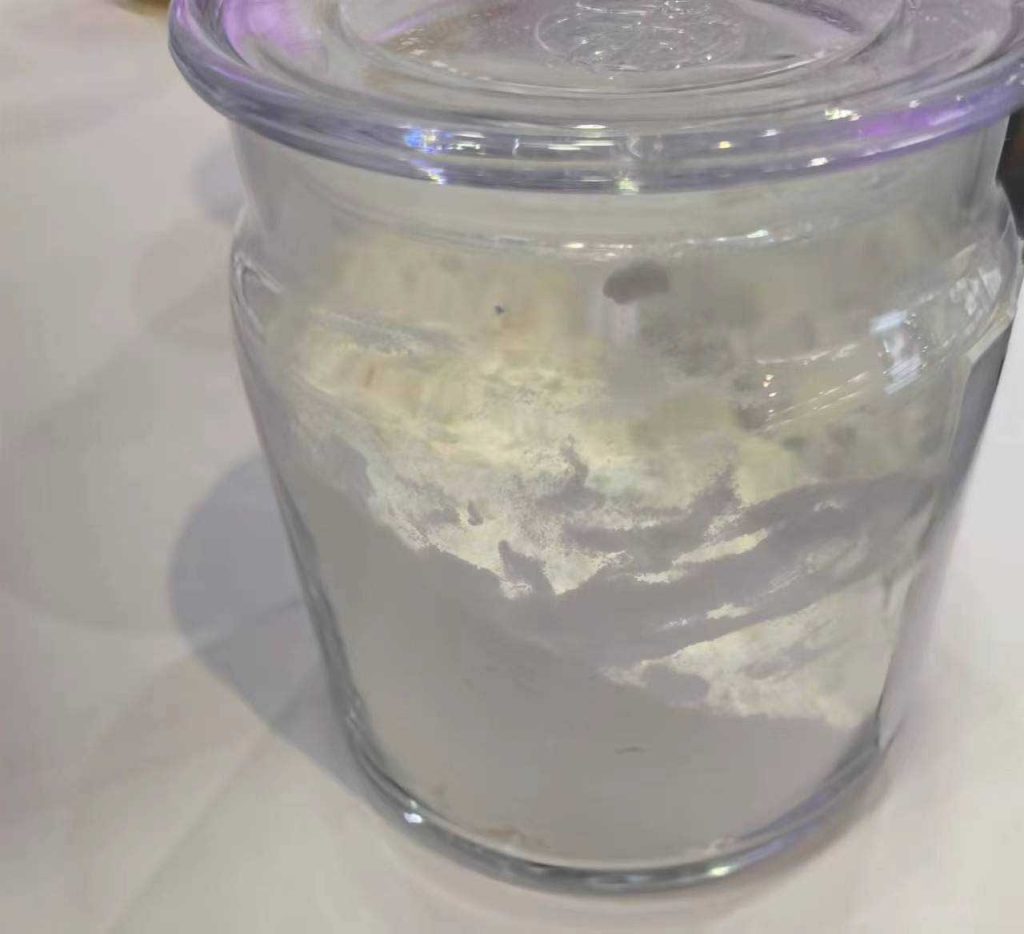
The polyethylene (PE) fine powder low shrinkage additives we provide play an important role in applications such as fiberglass reinforced plastics (FRP) (SMC/BMC/pultrusion). This spherical structure of thermoplastic polyethylene fine velvety soft powder is an indispensable additive in SMC, BMC/DMC, RTM and pultrusion.
Polyethylene powder | PE Powder Read More »
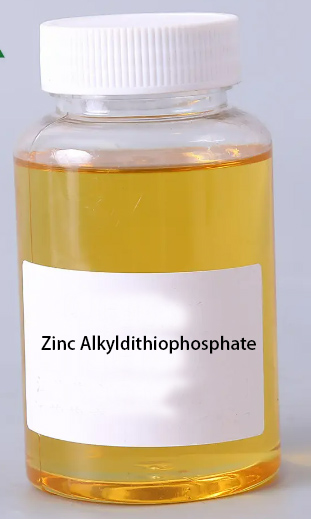
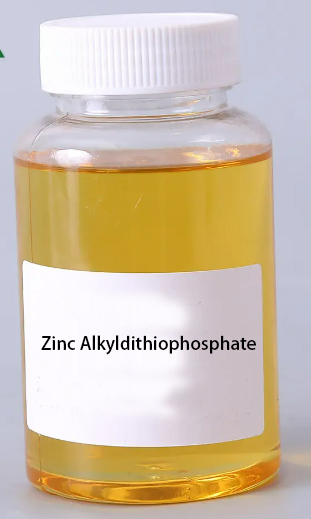
Zinc Alkyldithiophosphate plays a crucial role in the world of lubricants as a highly effective anti-wear additive. Its versatile properties make it a valuable component in a wide range of lubricant formulations, including greases, hydraulic oils, and motor oils. In yard care equipment and lawn maintenance, Zinc Alkyldithiophosphate finds its way into oils and other fluids used in lawnmowers and similar equipment. Its anti-wear capabilities contribute to reducing friction and wear in engine components, ensuring smooth operation and extended equipment life.
Zinc Alkyldithiophosphate Read More »
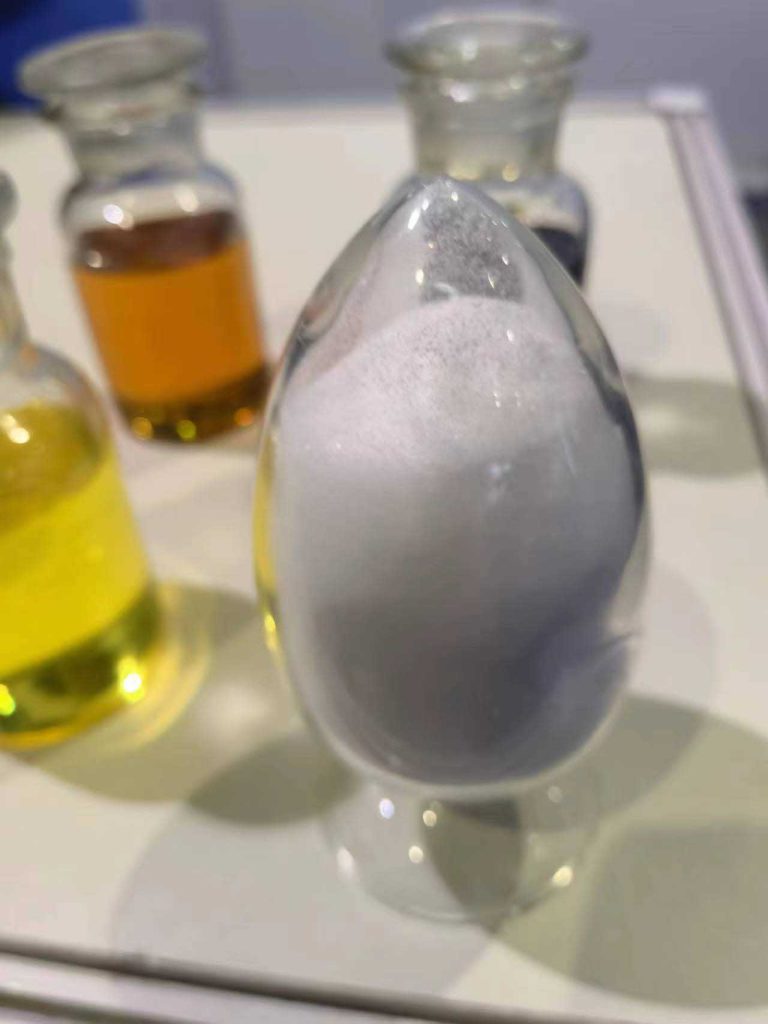
Zinc alkyl dithiophosphates, also known as ZDDP, are very good antiwear agents that are often used as machine lubricants in many industries, including the automobile industry. In the 1940s, scientists came up with these coordination compounds, which are made of zinc joined to the anion of a dialkyldithiophosphoric acid. ZDDP is usually a dark, thick liquid with a mild smell. It doesn’t mix with water, even though it’s slightly less dense than water. Even though they are slightly to fairly soluble in water, their real use is as adds to rubbing oils.
Zinc Alkyl Dithiophosphate Read More »
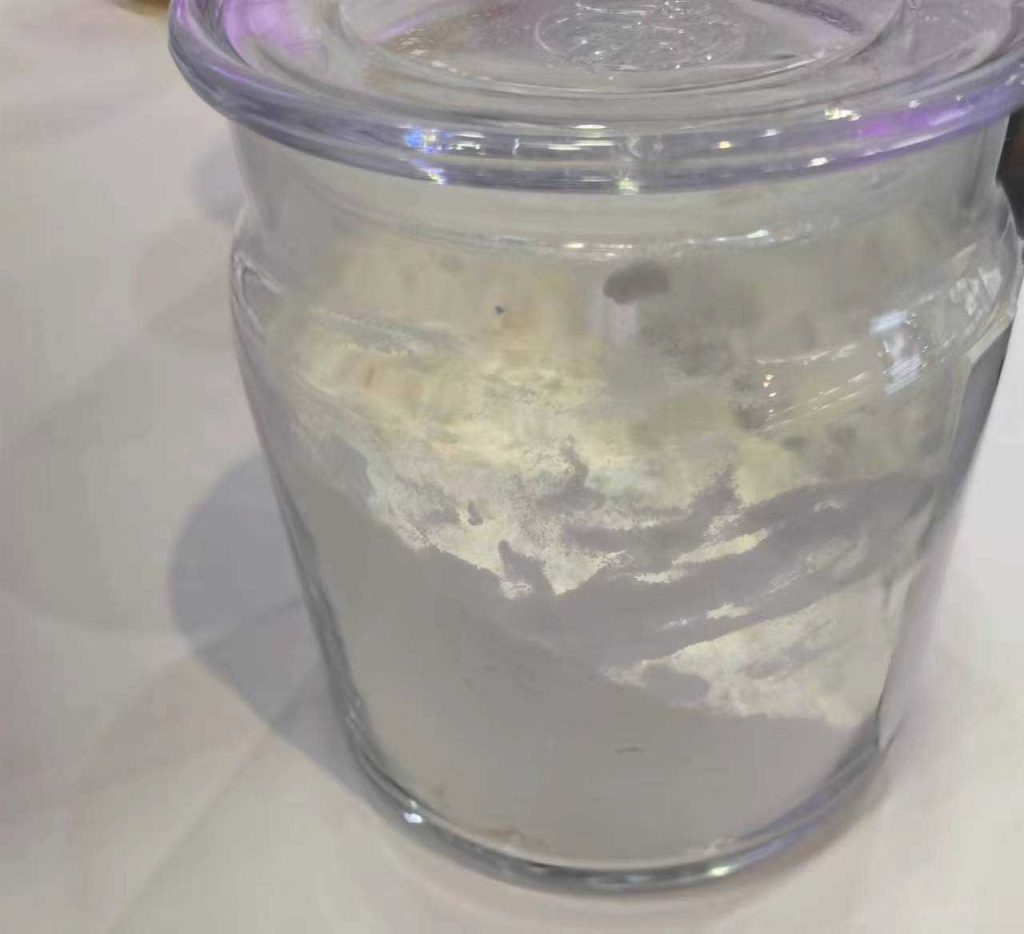
Hydroxypropylmethylcellulose is widely used as a film forming agent in automobiles, industrial paints, coatings, building materials, cosmetics, food, gelling agents, lubricants, and also as a dispersant. Its appearance is white powder like.
Hydroxypropylmethylcellulose Read More »
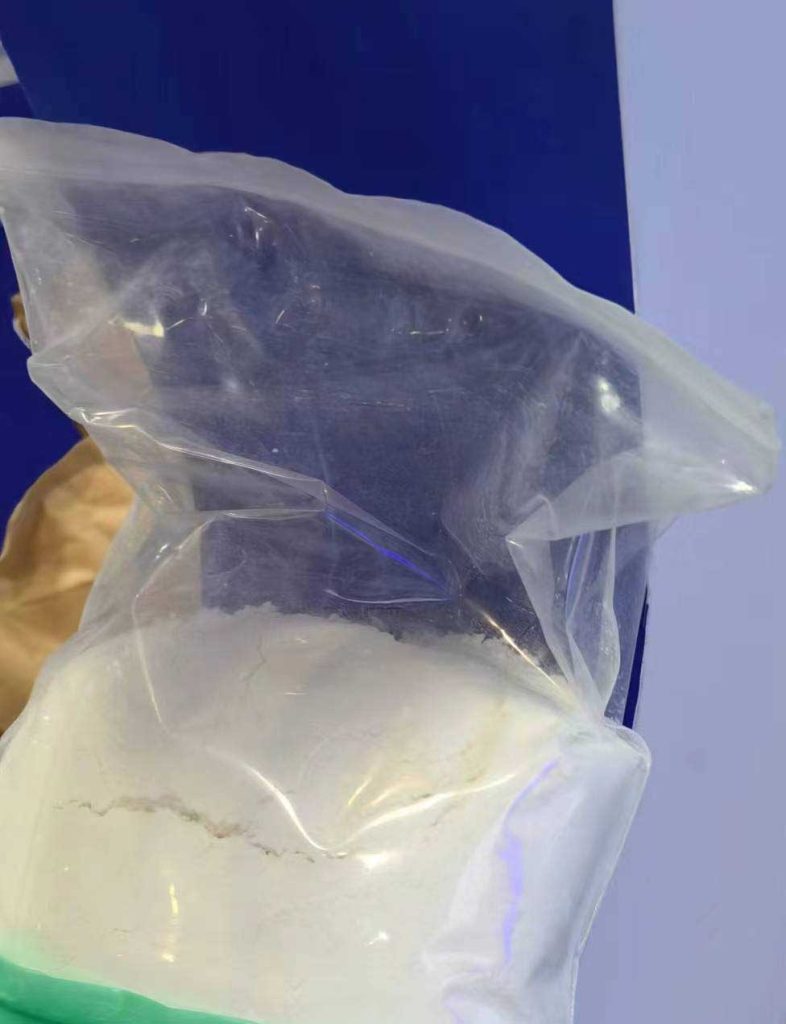
Hydroxypropylmethyl cellulose is a natural polymer derived from raw materials, undergoing a series of chemical processes to produce a non-ionic cellulose compound. Specifically used in wall putty applications, hydroxypropylmethyl cellulose plays a significant role in enhancing the quality of mortar/concrete walls and ceilings, resulting in a white, smooth, and dry surface that is ideal for painting.
Hydroxypropylmethyl Cellulose Read More »